


Geometry Dash Meltdown
4.6153.04K Reviews
App Specs
- Version
- 2.2.147
- Updated On
- License
- Free
- Downloads
- 100,000,000+
- Developer
- RobTop Games
- Categories
- Arcade
- Platform
- Android, iOS
Screenshots
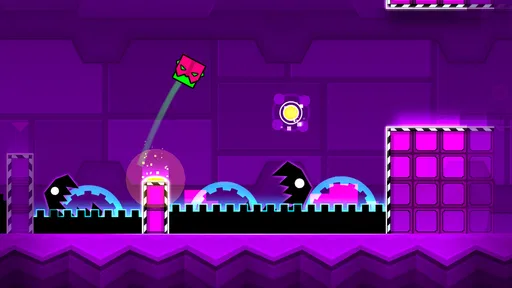
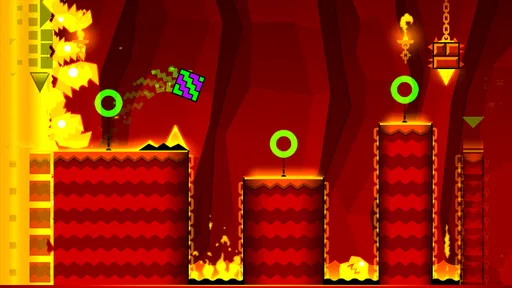
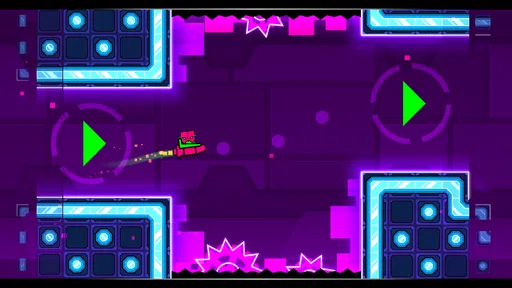
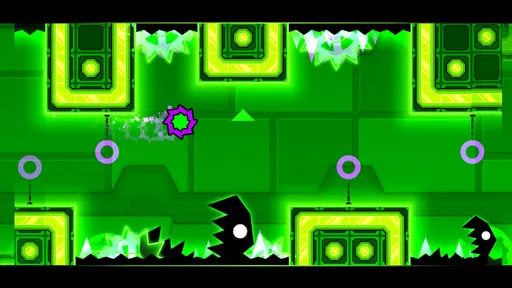
 Analysis by AppCompare
I first reach for Geometry Dash Meltdown when I want a quick game that demands my attention rather than a long session of planning or progression. It turns a tap into a precise action, then asks me to repeat that action with better timing. That makes it easy to understand in seconds, but much harder to put down after a mistake. I would describe it as a compact arcade challenge for people who enjoy learning through retries, not as a relaxed game to play while distracted.
A quick session on a shared device
In a household where a phone or tablet gets passed around, this kind of game can work well in short turns. One person can attempt a section, hand the device over, and let someone else try to improve the run. The central task is immediately visible, so nobody needs a long explanation before joining in. I can imagine it fitting into a brief wait at home or a quiet break when there is time for a few focused attempts.
That shared-device appeal has a trade-off: the game rewards concentration, and a nearby conversation or constant handover can interrupt a run. I would agree on simple turns rather than crowd around the screen during a difficult section. Watching someone else play can still be useful, because it lets a new player notice the timing and obstacles before taking a turn. But the best way to learn is usually to try the sequence personally and see where the timing goes wrong.
Keeping expectations and sessions manageable
There is no need to treat every failed attempt as a sign that a level is impossible. I find it more useful to play in small bursts and stop when my focus starts slipping. The controls are simple, but the precision they demand makes tired or hurried play noticeably less satisfying. If I keep making the same mistake, a short pause can be more productive than tapping through another string of frustrated retries.
For a younger or less experienced player, I would show how the game works before handing over the device and explain that repeated failure is built into the challenge. That sets a fair expectation: progress comes from recognizing a pattern and adjusting timing, not from unlocking an easier route after every miss. If the player dislikes repeating difficult sections, this may not be a good fit, even though the basic interaction is easy to grasp.
What makes it different from other arcade choices
Compared with a casual arcade game that lets you react to changing situations on the fly, this one puts more weight on rhythm, timing, and remembering what is coming. That gives each attempt a clear learning loop: observe, try, fail, and adjust. I like that focus when I want a compact skill challenge. If I would rather explore freely, collect items at my own pace, or make progress without repeating tricky passages, another kind of arcade game will probably suit me better.
The music is not just background decoration in the way I experience a run; its pulse can help me anticipate actions. Still, I would not rely on sound alone. Visual cues matter, and playing with audio turned down may make the rhythm less helpful, especially while learning. A practical approach is to listen closely at first, then pay attention to the visual sequence as well. That way I am not depending on one cue to carry the entire attempt.
Worth Reading Before You Choose

Flipboard Shows What News Apps Must Do Beyond the Feed

Switching to Android Auto Means Rethinking Your Driving Routine

Google Calendar Makes a Crowded Week Easier to Manage

Ludo King Makes the Most of the Minutes Between Plans

Baby Panda World Brings Quick Play to Modern Phones, but Its Game Library Feels Busy

ESPN’s Live Game View Makes Following Close Games Easier
The Visual and Audio Feast
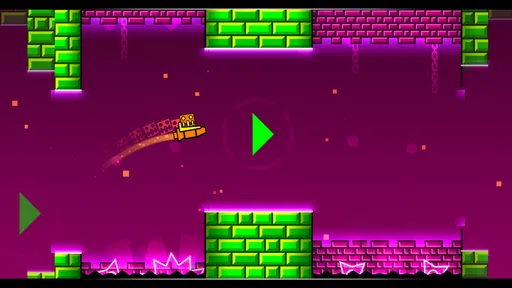
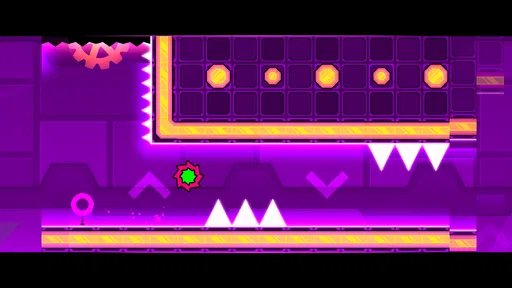
Right off the bat, the visuals in Geometry Dash Meltdown are a feast for the eyes. The vibrant colors and dynamic environments make every level feel like a new adventure. Each obstacle is meticulously designed, and the game does a great job of keeping you on your toes. The graphics are simple yet so engaging that you can't help but get sucked into the gameplay.
But it’s not just about the looks. The soundtrack is where the game truly shines. Every beat syncs perfectly with your jumps and moves, creating a symphony of sound and action. The music is catchy and intense, driving you forward even as you repeatedly crash into spikes. If you’re like me, you’ll find yourself bobbing your head to the beat as you play.
Gameplay: Simple Yet Challenging
Don’t be fooled by its simplicity. The gameplay might seem straightforward at first glance—just tap to jump—but it’s the timing that’ll get you. Each level is designed to challenge your reflexes and precision. The obstacles come at you fast, and it’s all about memorizing patterns and improving your timing.
The game starts easy enough, but as you progress, it becomes a real test of skill. And trust me, you will fail. A lot. But that’s part of the charm. Each failure feels like a lesson, and with every retry, you inch a little closer to mastering the level.
Level Design and Replayability
There are only a few levels available, but don’t let that fool you into thinking it’s a quick play. Each level is packed with unique challenges that make you want to come back for more. The level design is brilliant, with each one offering something different to keep you engaged. Whether it’s new obstacles or a change in tempo, there’s always something that keeps the game fresh.
To get more from those limited levels, I try not to rush straight through after a restart. I focus on the point where I repeatedly lose the run, then use the next attempt to concentrate on that transition. This makes practice feel more deliberate and keeps me from treating every failure as one undifferentiated setback. The trade-off is that learning a difficult stretch can take patience; anyone looking for a large collection of short, easily cleared stages may find the selection restrictive.
And let’s not forget about the replayability factor. The satisfaction of finally beating a level you’ve been stuck on is unmatched. Plus, with the medals and achievements to unlock, there’s always a reason to keep playing and improving.
The Community and Customization
What I love about Geometry Dash Meltdown is the community aspect. There’s a thriving online community where players share tips, tricks, and even custom levels. The creativity of the community adds a whole new dimension to the game, allowing you to experience levels designed by other players.
Customization is another fun feature. You can personalize your icon and colors, making your gaming experience feel more personal. It’s a small touch, but it adds to the overall enjoyment.
Practical boundaries for family play
Because a shared device may also hold someone else’s apps and personal activity, I would keep turns simple and avoid assuming that every player is using the same account or profile. The game can be enjoyed as a short, individual challenge, so there is no need to make a family session depend on sharing personal progress. If several people want to play, taking turns on the same screen is the straightforward option; each person can focus on their own attempts without turning the session into a competition over who has the better record.
I would also keep the device’s usual household rules in place. A rhythm-led game can encourage “one more try,” especially when a player is close to clearing a difficult section. Deciding in advance when the device needs to be put away helps avoid that familiar argument over an unfinished attempt. This is not a reason to avoid the game; it is simply a sensible way to make a demanding retry loop work around homework, meals, or bedtime.
Age, trust, and who should pass
The game is rated Everyone, which makes its age context broad, but that does not mean every child will enjoy its difficulty. I would judge fit by the player’s patience and comfort with repeated failure, not just by whether they can understand the controls. Someone who takes a missed jump in stride may enjoy the challenge. Someone who needs steady progress or becomes upset when a run ends may be happier with a more forgiving arcade game.
For adults, it works best when the appeal is the precision itself. If I want an experience with a story to follow, a calm pace, or a wide variety of activities in one session, this is not the choice I reach for. Its strength is also its limitation: it stays focused on timing and persistence rather than offering a broad set of play styles.
RobTop Games is the developer, and the game is free. It has a 4.6 average from around 1.9 million ratings, with more than 100 million installs. Those figures suggest that it has reached a very large audience, but they do not guarantee that its retry-heavy style will click with everyone. I would use them as context, not as a substitute for asking whether precision arcade play is actually what I want.
Version and device expectations
The current version is 2.2.147, and it runs on Android 6.0 or later. If I am choosing a device for a younger player or setting up a shared tablet, checking that basic compatibility first can prevent an unnecessary download attempt. The game is listed as released on December 19, 2015, so it is not a new release; its appeal comes from a recognizable, focused arcade format rather than novelty.
One useful choice before starting is whether the session is meant to be a quick challenge or a longer practice stretch. For a short break, I would pick one goal—such as improving a troublesome timing point—and stop there. For a longer session, I would take breaks between attempts instead of letting frustration build. That small adjustment can make the same demanding design feel more satisfying without pretending that the game itself is easy.
Final Thoughts
Is Geometry Dash Meltdown for everyone? Maybe not. If you’re someone who gets easily frustrated or doesn’t enjoy repetitive gameplay, it might not be your cup of tea. But if you love a challenge and enjoy rhythm-based games, you’ll find it incredibly rewarding.
In conclusion, Geometry Dash Meltdown is a brilliantly crafted game that combines stunning visuals, killer music, and challenging gameplay. It’s a game that’s easy to pick up but hard to master, and that’s what makes it so addictive. Give it a try, and you might just find yourself hooked.
My household verdict is that it is a strong pick for players who want short, skill-focused turns and are comfortable learning by retrying. It can be fun to pass around, but I would not choose it as a quiet, low-effort game for a restless moment or as a shared activity that depends on everyone progressing at the same pace. If its precise rhythm and challenge sound appealing, it is worth trying; if the repeated attempts already sound tiring, a more forgiving arcade alternative is likely the better fit.
Pros
- Engaging and challenging levels.
- Catchy soundtrack enhances gameplay.
- Simple one-touch controls.
- Vibrant and dynamic visuals.
- Frequent updates with new content.
Cons
- Limited levels in free version.
- Can be frustratingly difficult.
- No multiplayer mode.
- Requires precise timing and focus.
- Ads can interrupt gameplay.
FAQs for Geometry Dash Meltdown
What is Geometry Dash Meltdown?
Geometry Dash Meltdown is a rhythm-based platformer game where players navigate through levels filled with obstacles, all set to catchy music. The game requires precision and timing as you tap to jump over spikes and gaps. It's an addictive and challenging experience for fans of rhythm and platform games.
Is Geometry Dash Meltdown free to play?
Yes, Geometry Dash Meltdown is free to download and play on both Android and iOS devices. The game offers a few levels for free, and while there are in-app purchases available for additional content or to remove ads, it’s entirely possible to enjoy the main gameplay without spending any money.
What makes Geometry Dash Meltdown different from other Geometry Dash games?
Geometry Dash Meltdown features exclusive levels and music not found in other Geometry Dash titles. While the core gameplay remains the same, the new levels and tracks provide a fresh challenge for players. It's a great way for both new and returning players to experience something different within the Geometry Dash series.
Does Geometry Dash Meltdown require an internet connection?
No, Geometry Dash Meltdown does not require an internet connection to play. This makes it an excellent choice for gaming on the go, as you can enjoy the levels and music offline without any issues. However, an internet connection may be needed for in-app purchases or updates.
Can I play Geometry Dash Meltdown on older devices?
Geometry Dash Meltdown is designed to run smoothly on most modern smartphones and tablets, but it may also work on some older devices. The game is relatively lightweight, but performance can vary depending on your device's specifications. Checking the app’s requirements on the store page can help determine compatibility.


